When a new feeder gets no visitors
A new feeder may need time, a different position or simply a smaller serving. More food is rarely the first answer.
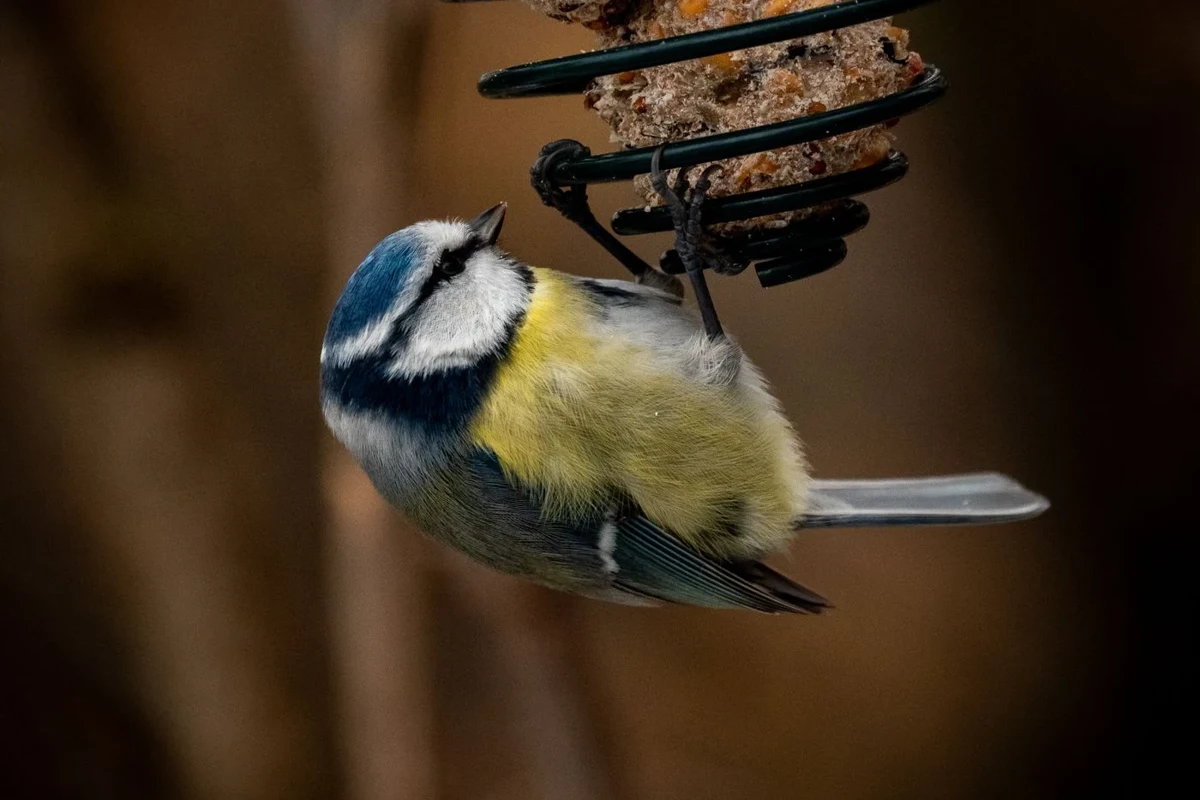
Give the observation enough time
A quiet feeder on its first afternoon says very little. Birds may not have encountered it, may be using other food or may approach when you are not watching. Observe at a few different times without standing close to the equipment.
Record what you see rather than assuming that untouched food means the garden has no birds. A robin in the border and a pigeon on the roof are using the space differently from a finch on a seed port. A feeder is only one possible point of activity.
Check the equipment before changing the menu
Confirm that food reaches the ports and that the base is assembled correctly. A blocked opening can make an otherwise sound feeder unusable. Inspect for moisture and remove old contents; waiting for the first visitor is not a reason to leave food outside beyond a manageable interval.
Match the container to its intended food. Do not enlarge holes or remove structural parts to make another product flow. If the feeder was bought without instructions, identify the model or choose equipment whose use and cleaning can be understood.
Look at the approach
A new feeder may hang in a busy or exposed position. Watch for cats, repeated passage through a door and movement from a loose hanging hook. Nearby cover can be helpful, but birds also need a view around them while feeding.
Make a considered adjustment if the site is clearly unsuitable, then allow time to observe again. Moving it every day makes the arrangement unpredictable and tells you little about which position is workable. Keep it away from nest boxes so an experiment with feeding does not disturb a breeding site.
Resist the generous refill
A small amount is enough while you learn what the garden uses. Large piles do not help birds discover the container and are harder to keep fresh. Follow the current seasonal guidance for the food; seed offered during the pause is not justified by the hope of finally attracting visitors.
It is also reasonable to stop. Some gardens have good natural feeding opportunities or simply receive few birds suited to that equipment. Put the cleaned feeder away and spend time observing the plants, hedges and ground instead.
The useful question is whether the setup suits both the birds and your ability to care for it. A full visitor list is not required for the garden to have value.