Build a garden with more than one layer
Think upwards from the soil: different heights create different ways to use the same patch.
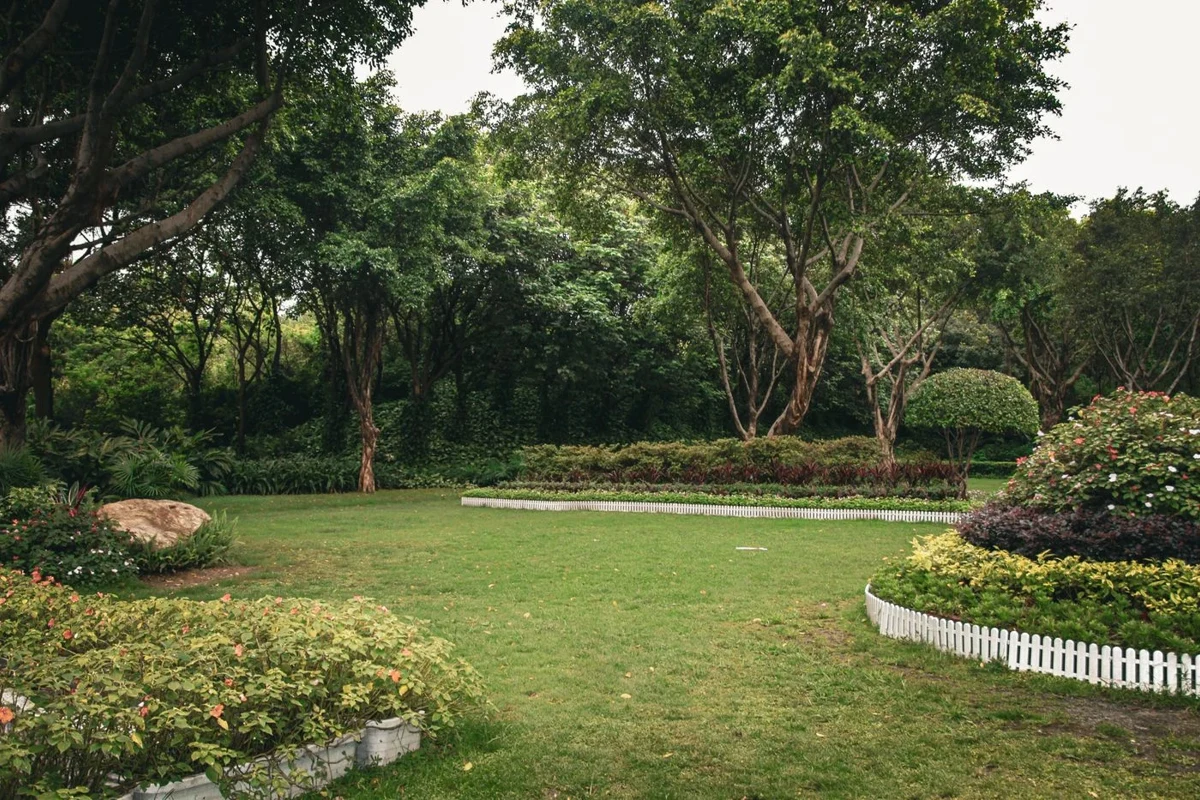
A lawn with one tree and a close-boarded fence offers very different opportunities from the same space with a shrub, climbing plants and a leafy corner beneath the tree. The area has not changed. The number of places where an animal can search, rest or disappear has.
You do not need to turn a small garden into a woodland. Begin by looking at a side view rather than the usual plan from above. Where is there cover close to the ground? What happens between knee height and the lower branches? Is every plant cut to the same level? These questions reveal gaps that a shopping list of wildlife products may miss.
Work with what is already established
An existing shrub has value that a newly purchased replacement cannot immediately provide. Before clearing a boundary for a new planting scheme, observe how birds use it. A dull-looking tangle from the kitchen may be the place where sparrows wait before crossing the garden. Removing it and adding a box elsewhere does not replace that function.
Make a rough drawing with the tree canopy at the top, shrubs in the middle and ground vegetation below. Leave space for the paths, clothes line and sitting area you actually use. A habitat plan that makes everyday life inconvenient is likely to be dismantled later. Fit the quieter parts around those routes instead of pretending the garden is a reserve without people.
One addition at a time
If the garden has plenty of tall vegetation but bare soil underneath, try a patch of suitable groundcover or retain fallen leaves beneath one shrub. If everything is low, investigate a shrub that fits the soil and its eventual space. Check mature dimensions, not just the size of the nursery pot. Repeatedly cutting an oversized plant back to fit can remove the very structure you wanted.
Climbers can use a boundary without consuming the whole width of a bed, but their supports need to be sound. Do not attach a vigorous climber to a collapsing fence and assume the foliage will solve the structural problem. Deal with necessary repairs first, at a time when wildlife will not be disturbed.
Keep some open ground too. A blackbird searching a short lawn is using a different opportunity from a small bird picking through a shrub. Uniform density is no more useful as a design target than uniform neatness. Look for a mixture with connections between its parts.
Judge the garden over months
Take a photograph from the same place every few weeks. Note which plants keep their leaves, where the soil stays shaded and where birds pause. Your first result may be a more frequently used route rather than a higher bird count. That is still information. It tells you how the garden is functioning, rather than simply whether it looks finished.