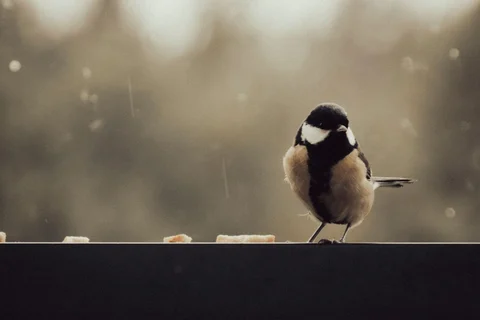
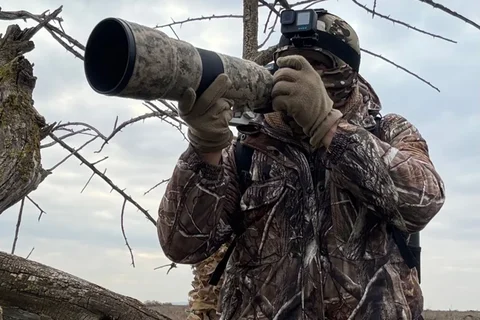
Why the garden can suddenly seem quiet
An empty view is a starting point for observation, not proof that all the birds have gone.
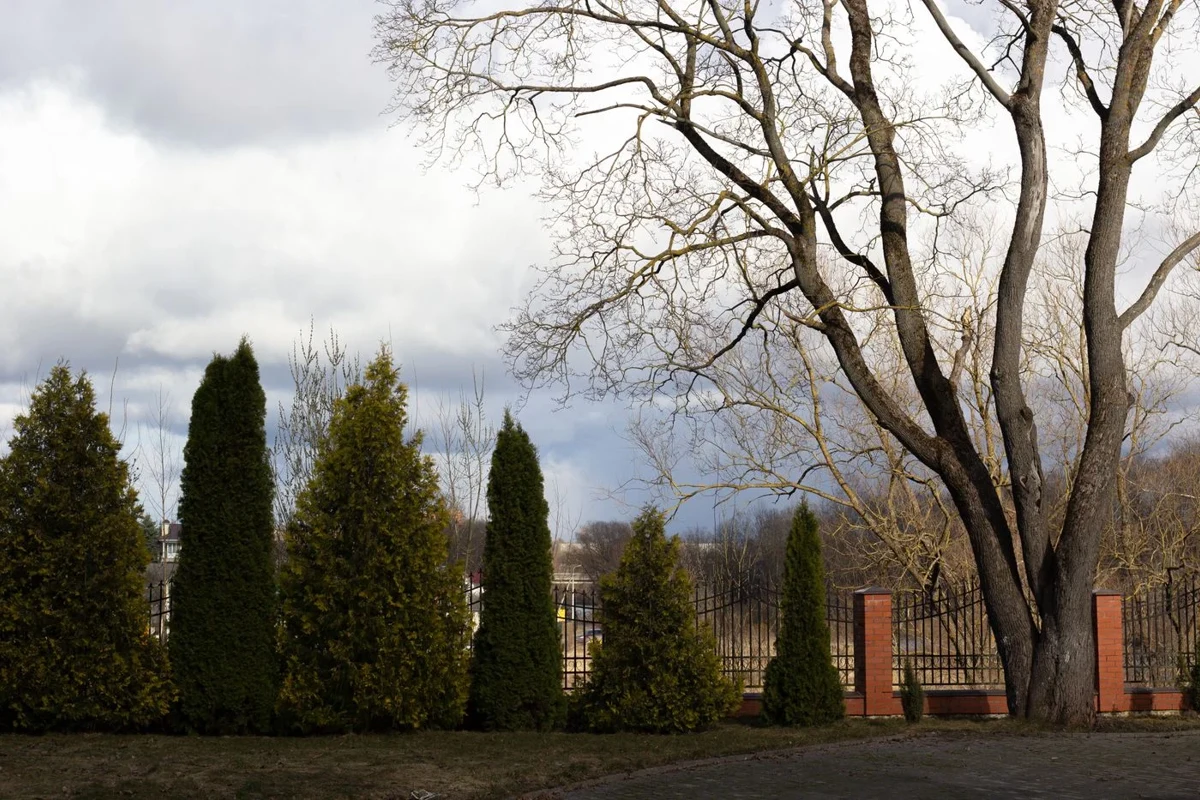
Check what changed in your own routine
Before looking for an explanation in the birds, consider the watching. Have you changed your working hours, moved the chair or stopped looking at the garden in the early morning? Has a tree grown across the view? A comparison is only useful when the opportunity to see birds is reasonably similar.
Write down when you watched and for how long. Separate no birds seen from no birds heard, and identify the area you could actually observe. A garden with dense cover may be occupied even when the open lawn is empty.
Food and visibility move through the year
Birds use resources beyond a single garden. Seeds, fruit and insects become available in different places, young birds disperse, and some familiar species become less conspicuous during moult. These possibilities can explain a quiet spell without proving the cause of any particular absence.
Watch natural food sources as well as equipment. A seed head, fruiting shrub or damp border may be busier than the place you normally watch. Current seasonal feeding guidance also means a seed feeder may be deliberately unused between May and October; lower activity at that feeder is not the same as an empty neighbourhood.
Look for a pattern over several visits
Try short observations at two consistent times over a week. Keep the effort modest enough to repeat. Note weather, gardening, cats and other disturbances without assuming they caused every change. If a bird appears again, record where and what it was doing.
Avoid changing several things at once in response to a quiet day. Moving equipment, cutting cover and adding more food make it harder to understand the original pattern and may introduce new problems. Do not increase feeding simply to obtain a busier view.
Keep health concerns distinct
A lack of sightings alone is not evidence of disease. If you actually see unwell or dead birds, follow current health and reporting advice and reconsider shared feeding or drinking points as directed. That is a specific observation requiring action, rather than a theory about an empty garden.
Longer records become useful when made consistently and shared through an appropriate monitoring scheme. Even then, one garden is one small part of a wider picture. Your notes can faithfully describe its quiet weeks without claiming to explain every bird's destination.
Separate the feeder record from the garden record
A feeder gives a very specific sample: birds willing and able to use that device, food and location. It does not measure all birds nearby. If a blackbird searches beneath the hedge while the feeder remains untouched, the garden is still being used. If a passing flock stays high in a tree, it may never appear in a camera aimed at one feeding port.
Keep two columns if this distinction helps: feeder activity and birds elsewhere. The difference can be especially informative during deliberate seasonal pauses in feeding. It lets you notice habitat use without interpreting a quiet piece of equipment as a failed garden.