Planting for the insects birds need
Flowers for adult insects are only part of the planting question.
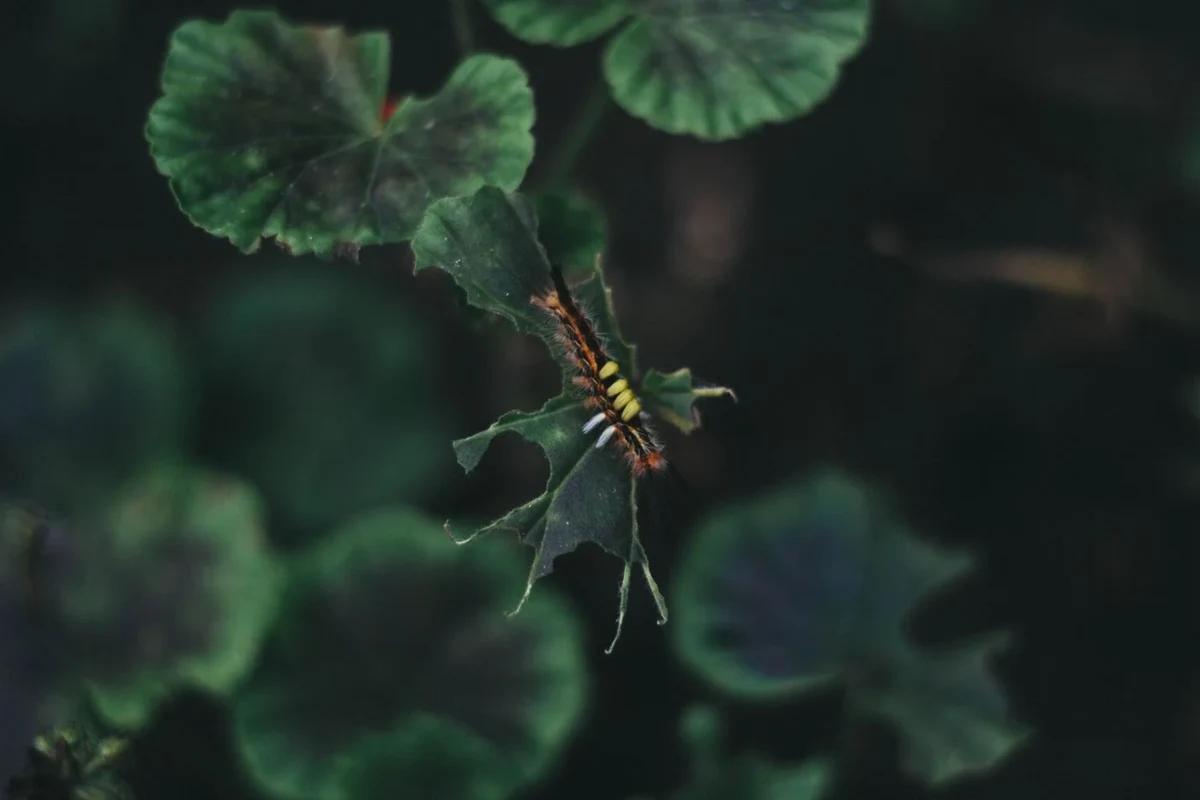
A border can be full of nectar-rich flowers while offering relatively little food for the caterpillars of particular butterflies and moths. Adult insects and their larvae do not always use the same plants. Thinking about both stages makes a wildlife planting plan more complete.
This matters to birds because many feed on invertebrates, including caterpillars. A nest box supplies a nesting opportunity; it does not supply all the food needed nearby. Planting and the way you manage leaves are therefore part of the same garden, even when the box is the more visible project.
Begin with the plants you can keep
Look up larval food plants for species found in your area, using a British source such as the RHS or a local wildlife organisation. Then select plants that suit your soil and available space. A recommendation for a large tree is not an instruction to put one beside a tiny patio. Existing suitable trees and shrubs may already be doing work you have not noticed.
Some caterpillars have narrow requirements; others use a wider range of plants. A varied planting can provide more opportunities than filling every gap with one fashionable pollinator plant. That variety can include grasses, shrubs and climbers as well as flowers in the border.
Accept some evidence of feeding
Leaves with small holes do not automatically indicate a garden emergency. Before reaching for a treatment, identify the cause and consider whether the plant is actually threatened. Removing every leaf-eating insect conflicts with the aim of providing food through the garden.
There will be situations where you need to protect a crop or a vulnerable young plant. Deal with that specific problem rather than spraying the whole area as a precaution. Check any physical protection regularly so it does not become a trap, and follow current horticultural advice for the plant involved.
Watch without collecting
If you find a caterpillar, observe it where it is. Note the plant and take a photograph if you can do so without handling it. Moving an unidentified caterpillar onto a plant that looks more convenient may separate it from the food it needs.
The same restraint applies to birds searching the foliage. Let them complete their route instead of following them into a shrub. A notebook entry describing how a blue tit checks the undersides of leaves connects the planting with its use. It is a more revealing result than counting only the flowers in bloom.