Plan hedge work around nesting birds
A planned date is only a starting point; nesting activity determines what can safely proceed.
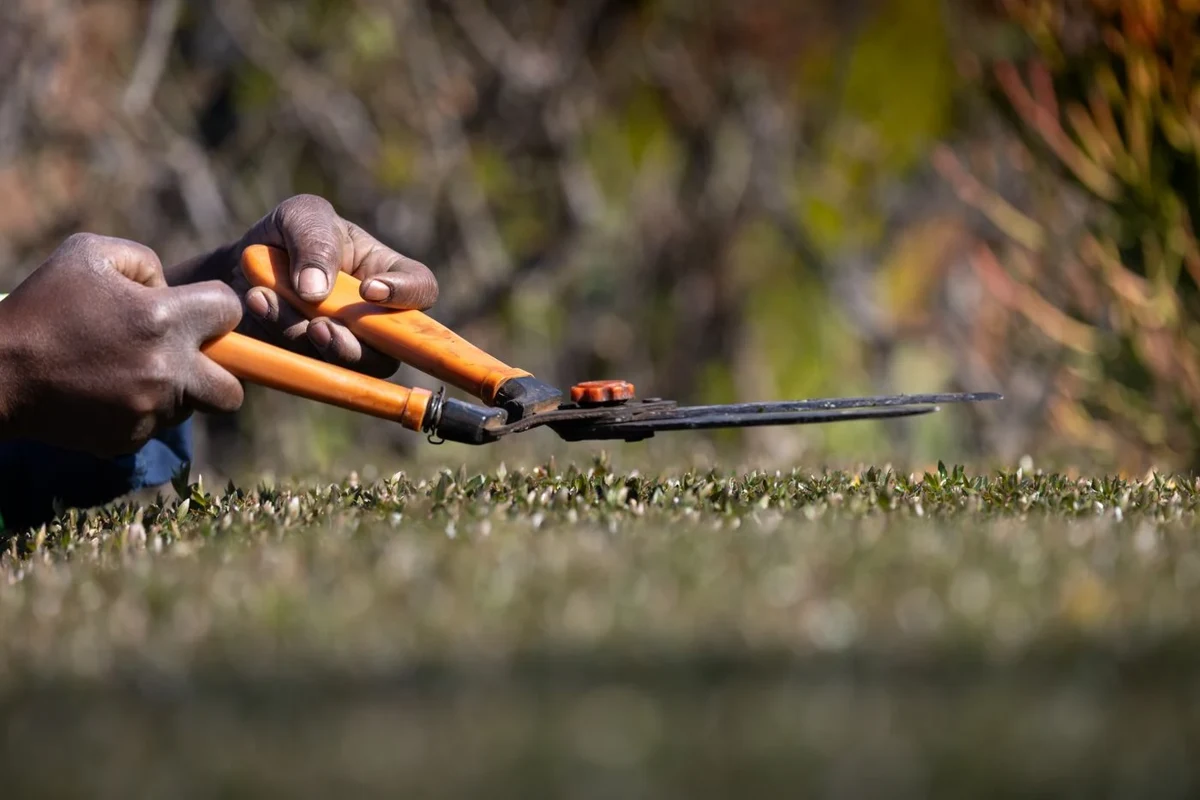
A hedge can need attention for several reasons: it may block a path, shade a window or have grown beyond the space agreed with a neighbour. None of those reasons tells you whether it is currently being used by nesting birds. That is a separate question and should be settled before work begins.
Plan routine hedge work away from the main nesting period wherever possible. But do not treat a date in late summer or autumn as an automatic clearance. Birds do not follow a garden maintenance calendar exactly, and some species can have later broods.
Observe without pulling the hedge apart
Look from a distance for repeated visits, birds carrying material or food, and behaviour suggesting a nest nearby. Do not push tools or hands into dense growth to 'prove' that it is empty. If you cannot assess a complicated area safely, seek advice from someone competent in the relevant wildlife considerations.
Tell a contractor about any known nesting activity before they arrive, not after the hedge trimmer has started. Agree how the work will be stopped if a nest is found. A written brief can prevent a misunderstanding when different people are involved in booking and carrying out the job.
Know which guidance applies
In England, government guidance explains that intentionally taking, damaging or destroying a wild bird's nest while it is being built or used is prohibited, subject to the law's specific provisions. Other UK nations have their own guidance and details, and additional protections apply to some birds. Check the relevant authority rather than assuming a general internet summary covers every situation.
Do not attempt to solve an active-nest problem by moving the nest, blocking access or cutting around it so closely that shelter is lost. Postpone the affected work and obtain advice. Urgent safety concerns require a proper assessment, not a hurried decision that wildlife rules no longer matter.
Separate necessary work from cosmetic work
Sometimes a small, carefully assessed section needs attention while the rest can wait. At other times the whole job should be postponed. Be specific about the problem: a blocked public route is not the same as a hedge that looks slightly uneven in a photograph.
Longer-term planning can reduce future conflicts. Allow a manageable width from the start, choose species that fit the site and schedule maintenance before growth becomes an access problem. Where appropriate, rotating work across sections can preserve some cover, flowers and fruit while another part is managed.
Keep a record for next time
After permitted work is complete, note the date, area treated and any observations that affected the plan. Next year's decision can then begin with something more useful than a vague memory that 'we always do it in September'.
If you share the garden, make sure everyone knows why an unfinished section remains. A hedge deliberately left alone can otherwise be cut by a helpful visitor who assumes the job was forgotten. Clear communication is part of protecting the nest, even when nobody needs to approach it.