The overlooked value of mature ivy
Mature ivy has a different role from a few young trailing shoots.
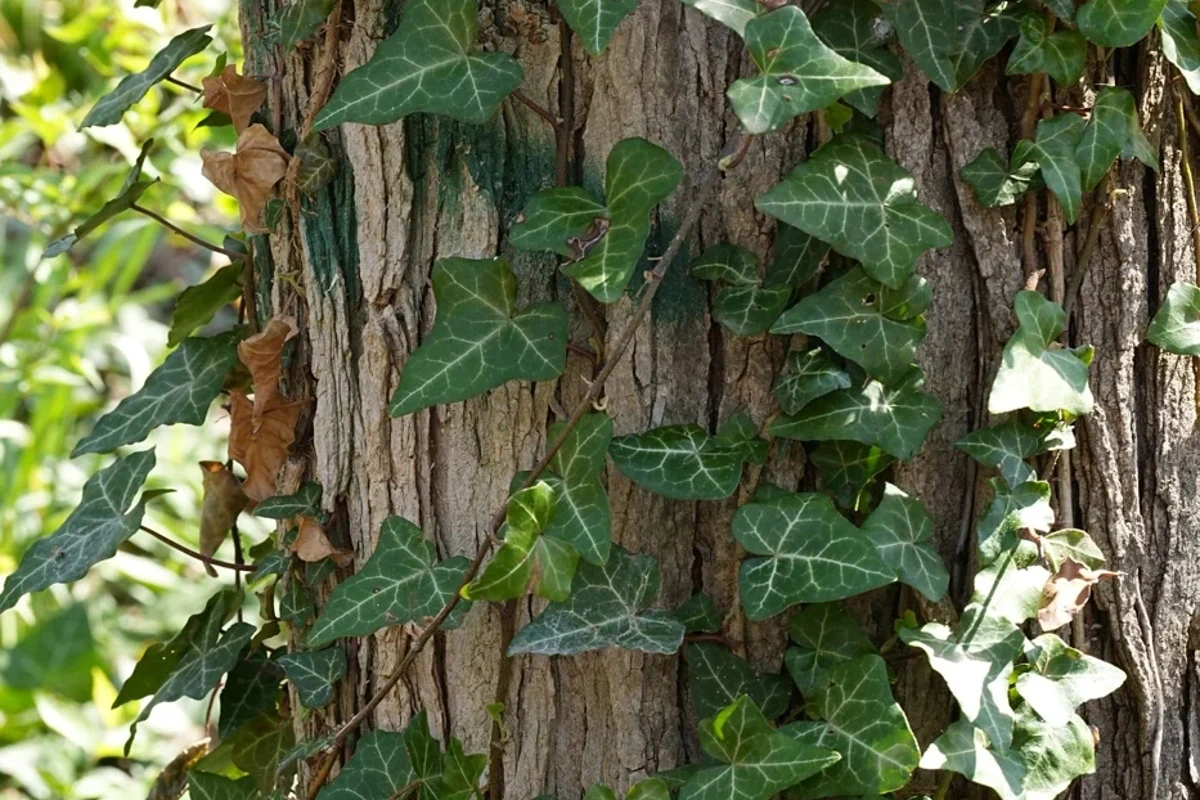
Ivy is often discussed only when somebody wants to remove it. Yet a mature patch can provide shelter, late flowers and berries at a time when other garden plants offer little. Before cutting, take a closer look at what is growing and where it is attached.
Young climbing ivy commonly has lobed leaves. Mature flowering growth looks different, with less obviously lobed leaves and branching stems. A newly planted small ivy will not immediately provide the flowers and fruit of an old established plant. Keeping a manageable mature patch can therefore preserve something that takes time to replace.
Check the support, not just the leaves
Healthy masonry and failing mortar are different situations. So are a sound fence and a loose panel held up partly by vegetation. Ivy should not be treated as a structural repair, nor should its presence automatically be blamed for every crack. If a wall or tree raises a safety concern, get an appropriate professional assessment before deciding what to cut.
The RHS distinguishes between ivy growing on trees, on buildings and as groundcover. Those are useful separate questions. A patch under a shrub can be managed at its edge, while a vigorous climber near gutters needs a different maintenance plan. One blanket rule will not suit both.
Keep the part that can stay
If ivy is spreading into a route or neighbouring space, consider controlling that edge while retaining a useful area elsewhere. Be clear about the long-term boundary. Repeatedly cutting random stems can leave a messy plant without solving the practical problem, whereas an accessible maintained margin is easier to keep under control.
Do not start pulling dense growth apart to find out whether birds are nesting. Watch from outside for signs of use and postpone work that would affect an active nest. If the position makes assessment difficult, seek advice. A quick tidy-up is not urgent simply because a pair of secateurs is already in your hand.
Look for more than birds
On a mild autumn day, flowering ivy can be busy with insects. Watch a single cluster for a few minutes, keeping enough distance that you do not brush it with your sleeve. You may notice several kinds of visitor using the same flowers in different ways.
Later, look at how birds use the cover and fruit. Leave the observation open-ended: there is no required number of visitors that makes the plant worthwhile. A garden feature can provide resources without delivering a visible performance every time someone looks out of the window.