Letting part of the grass grow
Keep the path you use, and let another part of the lawn develop its own structure.
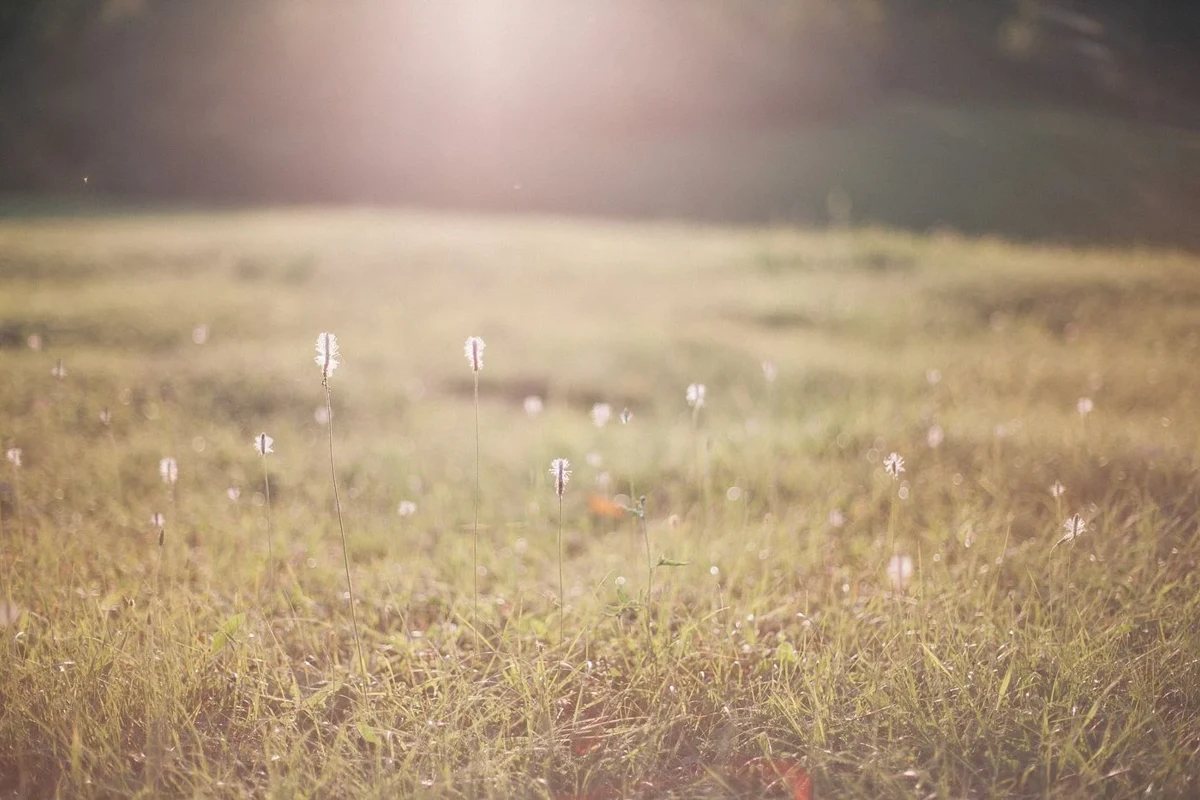
You can leave some grass long without deciding that the whole lawn must become a meadow. A strip beside a hedge, an island away from the washing line or a corner that is awkward to mow can be a manageable starting point. Its shape should suit how you use the garden.
Longer grass offers different conditions from a short lawn. That does not make short grass useless: birds also search open, closely cut areas. A mixture lets the same garden provide more than one kind of foraging space, and it is easier to maintain than an all-or-nothing change made in a burst of enthusiasm.
Make the edge deliberate
Mow a route around or through the retained patch if you need access. The contrast helps other people understand that the area is being managed, not forgotten. Check the route still works when grass leans after rain. A narrow line that disappears beneath wet stems is not much use as a path.
Watch what grows before adding seed. Existing plants may flower when mowing stops, and the results can tell you something about the soil and light. Throwing a wildflower mix into dense grass does not automatically create a flower-rich meadow. If that is your aim, follow specific preparation and management guidance rather than relying on the packet picture.
Plan the eventual cut
Long grass will need some management. Decide how you will cut and remove material before the patch becomes too dense for your equipment. Do not drive into it blindly with a mower. Inspect carefully for wildlife and work in sections with a suitable method, allowing animals space to move away.
Keeping a portion uncut while dealing with another portion avoids removing every sheltered place at once. The exact schedule depends on what is growing and what you want from the area. A patch managed for flowers may need different treatment from grass retained mainly as cover.
Notice more than the flowers
Stand beside the patch on a still day. Look for seed heads, insects moving between stems and birds using its edge. Record whether activity changes after a cut elsewhere in the garden or after rain. A patch with few flowers can still be doing something different from the lawn beside it.
If the first location proves inconvenient, adjust the shape rather than concluding the idea has failed. A smaller area that remains year after year is more useful than a larger one that must be cleared completely when it gets in the way.