A coal tit among the conifers
A small pale patch at the back of the head can settle an identification that the face alone leaves uncertain.
Wait for the head to turn
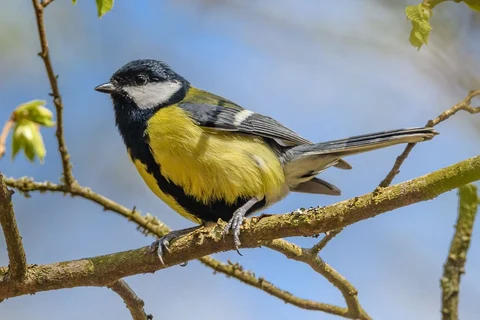
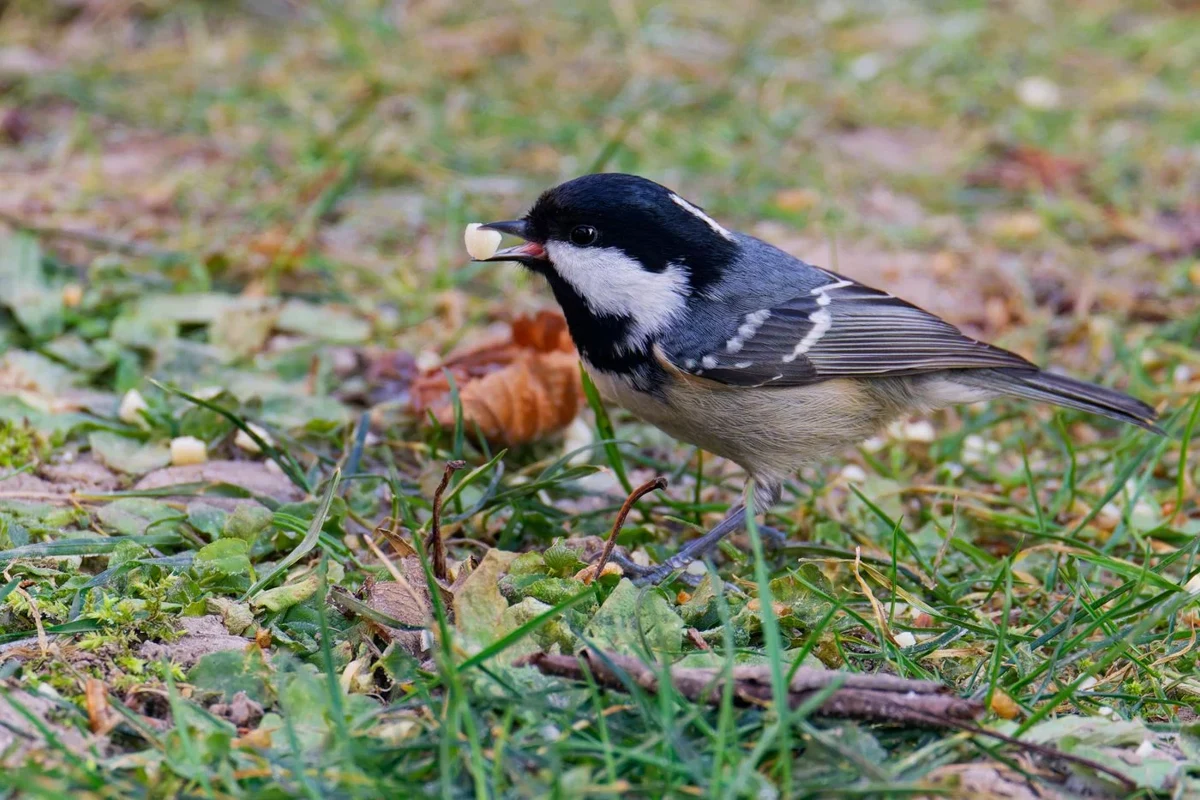
At first glance, a coal tit can look like a reduced version of a great tit: dark cap, pale cheeks and a quick movement through the branches. The detail worth waiting for is at the back of its head. A conspicuous pale patch on the nape helps separate it from other small black-capped tits. The body is subdued, with a greyish back and buff-toned underside rather than a great tit's strong yellow and black breast pattern.
A frontal view can conceal the nape. Resist the temptation to move closer simply to reveal it. Watch the bird's next few movements; a natural turn usually provides a better view than a hurried approach. Two pale wing bars are another useful supporting detail.
Look in the evergreen part of the garden
Coal tits are associated particularly with conifers, though they also visit gardens and other woodland. If a garden contains a mature evergreen, watch the fine branches and cones as well as the obvious open perches. A bird can be busy a few metres away while remaining almost invisible against the needles.
Try comparing your views from two ordinary places, such as a kitchen window and a path used for routine garden work. One may give a clear view into the outer branches while the other shows only a dense green wall. Finding a useful existing viewpoint is preferable to pruning a window into the tree.
Their fine bills are suited to working into small spaces. Notice the precision of the searching rather than assuming that every visit is aimed at a feeder. Recording the plant used gives your sighting more context than simply adding coal tit to a list.
Rapid returns can be misleading
Coal tits may carry food away and store it. A sequence of brief visits is therefore not necessarily a succession of different birds, nor evidence that each item is swallowed immediately. Follow the departure with your eyes if the route remains visible, but do not search hiding places to recover what the bird has put there.
For a notebook, separate what happened from what you think it means: carried an item into the conifer is an observation; cached food is an interpretation unless you saw the hiding action. Keeping that small distinction makes later comparisons much more useful.