The quiet bird beneath the hedge
Look low, look slowly, and pay attention to the narrow bill on this easily overlooked garden bird.
At the edge of the leaf litter
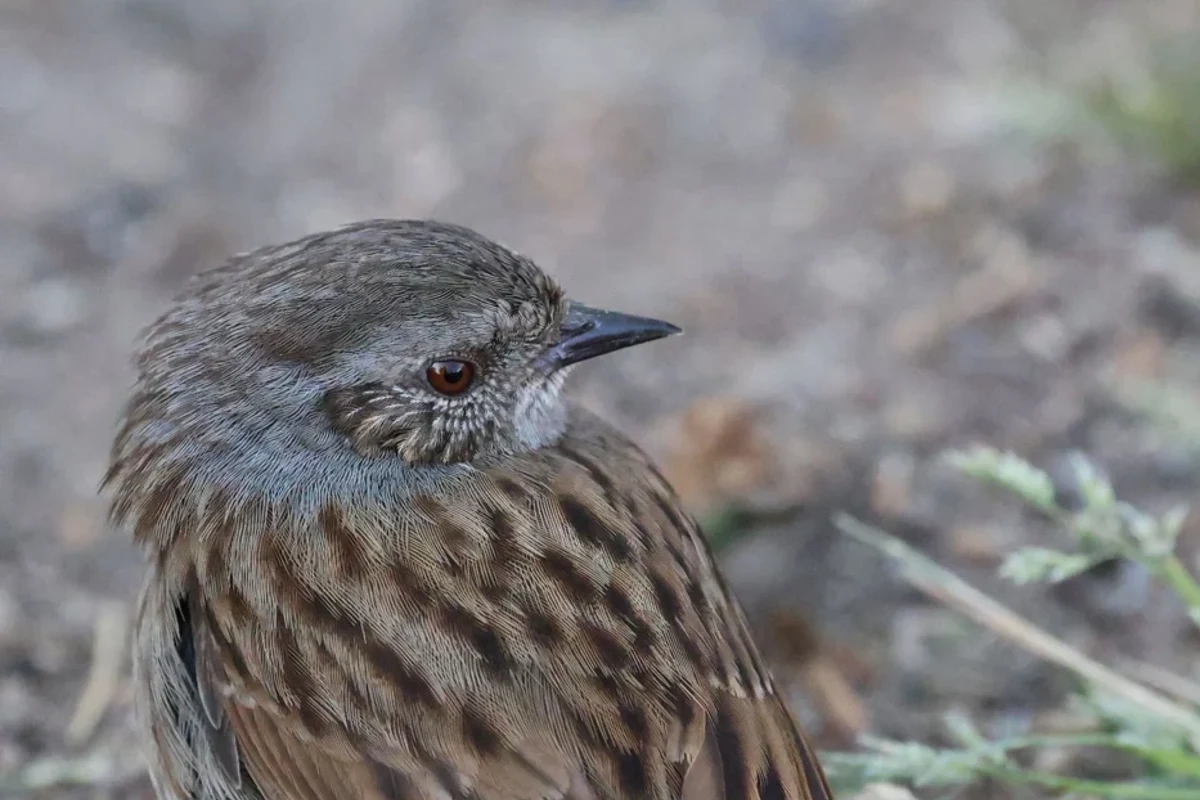
A dunnock often enters a garden quietly enough to be missed while everyone watches the more colourful visitors. It moves near the ground, frequently close to shelter, with a neat, rather understated outline. Brown streaked upperparts can suggest a sparrow, but the grey head and breast and slender bill offer better clues.
Find a place where the base of a hedge is visible without moving any vegetation. Watch the boundary between open ground and cover. A bird may emerge only far enough to pick up something before stepping back. Following it by walking along the hedge usually gives a worse view than remaining still.
The bill changes the identification
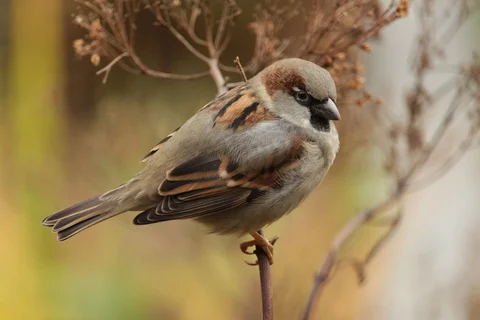
Compare a dunnock with a house sparrow when both happen to appear. The sparrow's bill is much deeper and more conical. A dunnock's is fine and pointed. This is easier to judge in profile, so wait for a side view rather than trying to extract the answer from a blurred frontal photograph.
The comparison also works on paper. Sketch two head outlines and exaggerate the difference slightly for your own memory. Add grey face to the dunnock and a note about the sparrow's pale eyebrow or male head pattern. The exercise is about noticing structure, not producing an illustration suitable for publication.
Quiet does not mean solitary
Several dunnocks can use the same garden, and their social and breeding relationships are more complicated than a brief sighting reveals. Avoid assigning a male, female and pair identity simply because two birds appear together. An ordinary garden view rarely provides enough evidence for that conclusion.
Instead, record observable interactions: one followed another, both fed separately, or one sang from a shrub. A dunnock on a high singing perch can look surprisingly different from the low, creeping bird you first learned to recognise.
Keeping leaf litter and dense planting gives you a place to watch natural searching behaviour. There is no need to scatter food beneath the hedge to bring the bird out. If it carries food repeatedly into a hidden space, keep the location private and step back. You can know that the garden is being used without finding the nest.