Goldfinches around seed heads
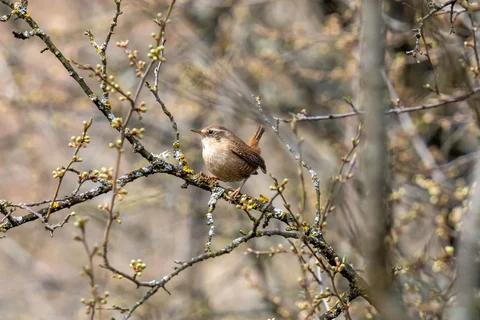
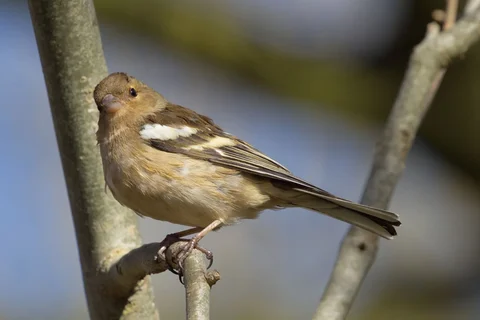
A yellow wing bar can identify a bird whose face is hidden, or whose juvenile face has no red yet.
Watch what bends the stem
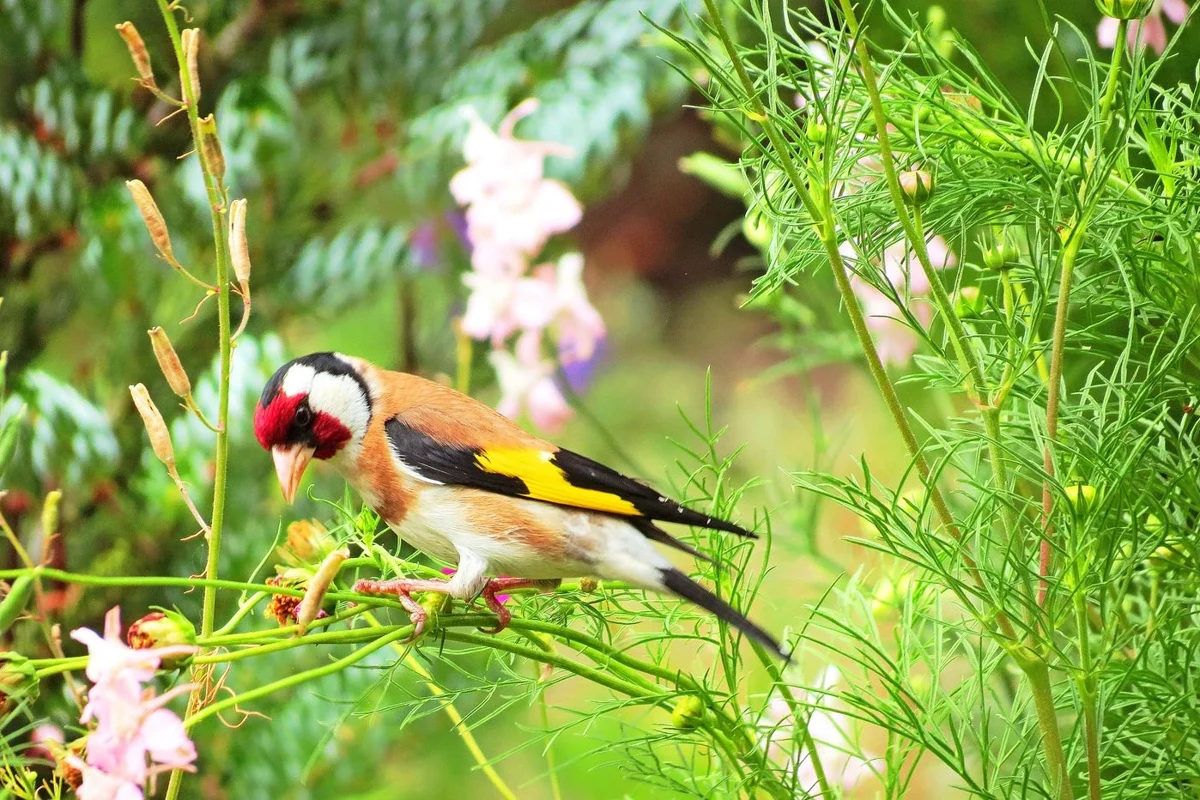
A goldfinch working a seed head may first appear as a moving stem. The bird's weight tips the plant, then its head turns towards the seeds. Watch from a distance that lets you see the whole plant as well as the bird. The position of its feet and the way it balances can be as interesting as the colours.
Adults have a red, white and black face and a conspicuous yellow patch on the wing. The wing marking is especially useful when the head is turned away. Young goldfinches lack the adult face pattern, so a brownish bird with yellow in the wing may belong to the same group as the familiar red-faced adults.
Allow an ordinary plant to become the subject
If a teasel or other seed-bearing plant stands where you can see it, leave it undisturbed and observe which heads are visited. Do birds work around one head before moving on, or make brief inspections of several? Write down the action rather than assuming each peck produces a seed. At garden distances, the result may be too small to see.
Different weather can change the view. A still day may reveal handling details that disappear when stems swing in the wind. A photograph taken in the latter conditions may blur even when the background looks sharp. That is movement, not necessarily a problem with the camera or the bird's appearance.
Naturally standing seed heads are different from concentrating bought seed in a feeder. Current RSPB advice pauses feeding seeds and peanuts from May through October to reduce disease risk. Leaving plants to provide their own seed remains a useful way to support natural foraging.
Keep the count modest
Goldfinches can move together in groups. If birds fly back and forth between a tree and the plants below, use the largest number visible together as a minimum rather than adding every arrival. A group disappearing behind a neighbour's fence has not necessarily left the area.
The same caution applies to apparent changes over a season. More birds visible after leaves fall may reflect a clearer view as well as changing numbers. Record the date, the plants used and whether the birds were feeding or merely resting. Those details preserve the character of the visit without claiming more than you could observe.
Seed heads at different heights
If several plants are being used, compare their structure without cutting or rearranging them. A bird may reach a seed head from a neighbouring stem or balance directly on the head. Note which position you actually see. This can reveal why a plant that looks finished to a gardener still has a useful role.
Photographing the plant after the birds have left can help you remember the arrangement. Include the stem and surrounding cover instead of collecting the seed head for a closer inspection. The record then remains connected to the place where the feeding happened, and the resource stays available for the next visit.