A useful corner of fallen leaves
Clear the route, but consider leaving the ground beneath a shrub to work differently.
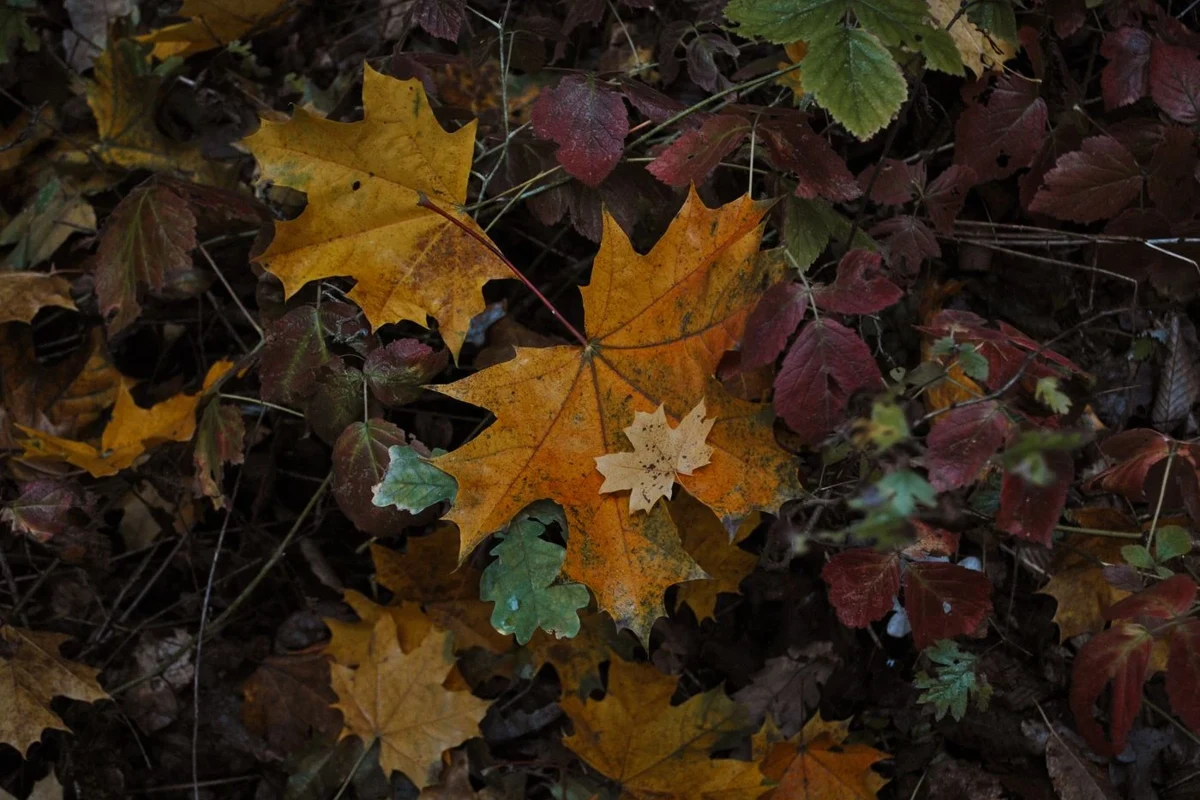
Fallen leaves on a wet step need clearing. Fallen leaves beneath a hedge are a different matter. Treating both places with the same autumn tidy can remove a useful layer from the garden simply because it looks untidy beside a recently swept path.
Leaf litter changes the surface of the soil. It creates shaded, sheltered spaces and gradually breaks down, while small animals use and move through it. Birds searching below shrubs may turn leaves over as they look for food. You can preserve that process without leaving every part of the garden covered.
Choose a corner with a future
Pick a place where the leaves can remain beyond the next weekend. Beneath established shrubs or in a sheltered border is often easier to manage than the middle of a lawn used for games. Avoid packing leaves around the stems of plants that dislike those conditions or blocking drains and air vents.
Keep the retained area separate from fallen seed and droppings beneath a feeder. That contaminated material needs a hygiene response, not simply another layer of leaves over it. A natural leaf patch and a neglected feeding station are not the same habitat.
Move less, and move gently
If you need to collect leaves from a path, use a method that lets you notice what is among them. Work in manageable sections rather than sweeping a whole boundary into a dense pile without looking. Avoid repeatedly disturbing the chosen refuge just to make it appear evenly spread.
There is no need to keep adding material until the corner becomes a deep compact heap. Look at how it behaves after rain. If it slumps across an access route, redefine the edge. A simple border of existing logs or stones may help mark the area, provided it is stable and does not trap wildlife.
Leaves affected by particular plant diseases may require different disposal advice. Identify a problem before assuming every leaf belongs in the same pile. The RHS offers plant-specific guidance where diseases are involved; a wildlife intention does not replace ordinary plant health judgement.
Observe the surface
Watch for small gaps and turned leaves. A blackbird may reveal its route through movement before its body becomes visible. Note where the ground stays damp and whether the leaf layer lasts longer under one shrub than another.
By spring, some of the material may have become much less recognisable. That is not a reason to replace it for appearance. The corner is a process, not a permanent display of freshly fallen leaves. Let the ground change while keeping the practical edges of the garden usable.