A robin is more than a red breast
Notice the pause between movements, the round outline and the way a robin claims a small patch of garden.
A familiar shape
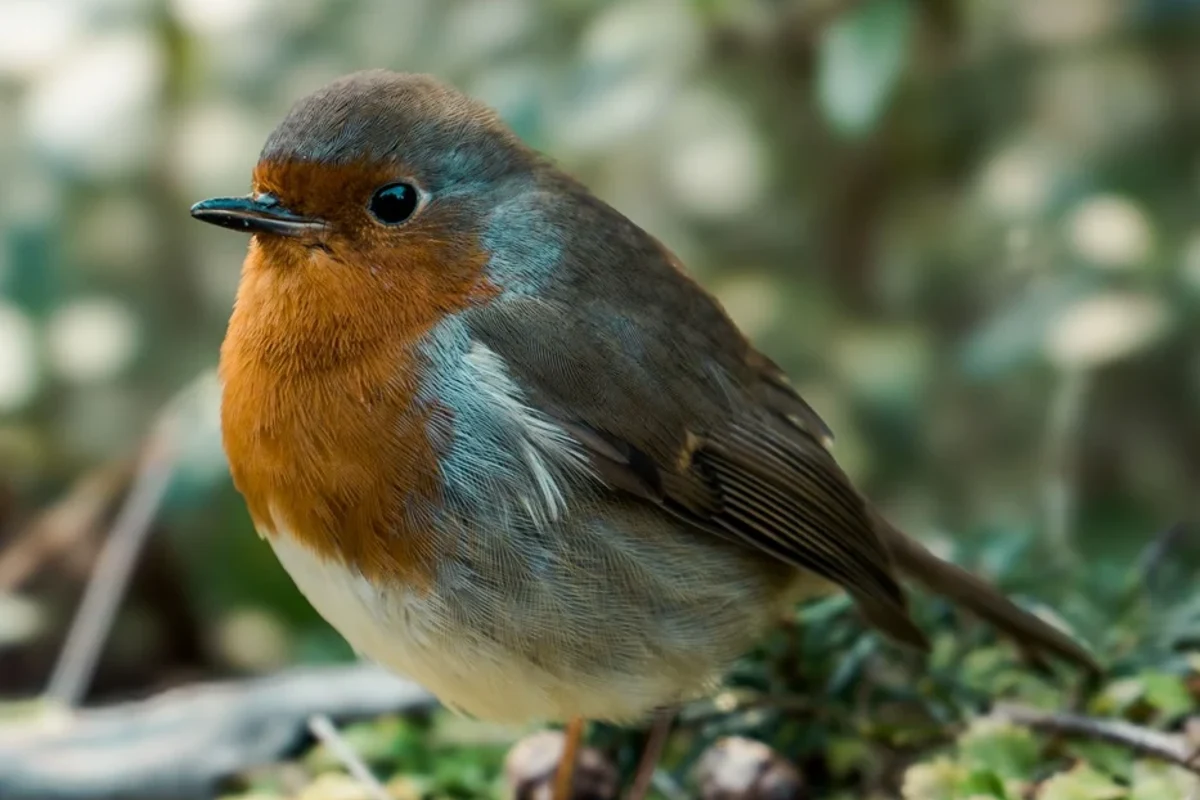
The orange-red face and breast are usually enough to draw attention to an adult robin. In poor light, however, colour can disappear. Watch the shape instead: a compact bird with a relatively large head, a fine bill and a habit of pausing upright before moving again. Those pauses make a robin a good subject for learning to observe behaviour rather than collecting a quick identification.
A bird turning over leaves beneath a shrub may emerge only briefly. Follow its route with your eyes before lifting binoculars. If you keep looking through the glass while it moves behind the next plant, it is easy to lose your bearings. Find the bird again without magnification, then raise the binoculars without changing where you are looking.
The bird beside the spade
A robin appearing during gardening is not necessarily asking to be fed. Disturbed soil can expose small invertebrates, making a working gardener an opportunity. Leave a little distance between yourself and the area the bird is using. Let it approach and leave freely rather than trying to coax it onto a hand or tool.
This is also a useful moment to notice how the bird searches. Does it pick something off the surface, inspect a leaf or wait on a low perch? A short written description can preserve more of the encounter than a blurred close-up. If tools, netting or an open shed are nearby, put them away safely before leaving the work area.
Not every robin has the adult colours
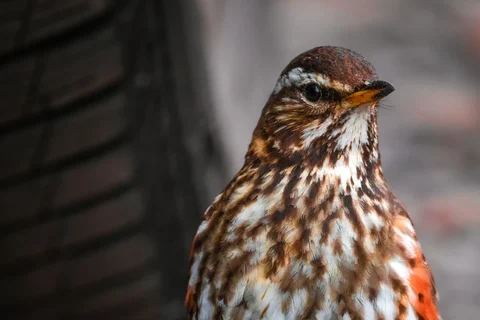
Young robins have a mottled appearance and lack the adult's familiar orange-red front. That can be confusing when a spotted little bird appears in the same corner of the garden. Do not assume that an unfamiliar youngster is a rare visitor. Compare its outline, movements and accompanying adults, and use an identification guide that shows juvenile plumage.
The red breast is not a reliable way to tell an adult male from a female: the sexes look alike to an ordinary observer. Nor should you assume that every robin seen in one garden is the same individual. Without a reliable distinguishing feature, a notebook entry such as 'robin by the compost area' is more honest than giving a continuing identity to every sighting.
Listen from where you are
Robins can be heard outside the spring nesting period, and their singing is part of territorial behaviour. Record the time and where the sound comes from. Is the bird exposed on a branch, or hidden in dense growth? A few observations across a week can reveal favoured singing places without any need to approach them.
Avoid playing recorded calls to obtain a response. A quiet observation is already enough. If a robin repeatedly carries food into cover, step back and let the route remain private. Keeping the garden useful to the bird matters more than finding the exact position of its nest.