Redwings arriving with the colder weather
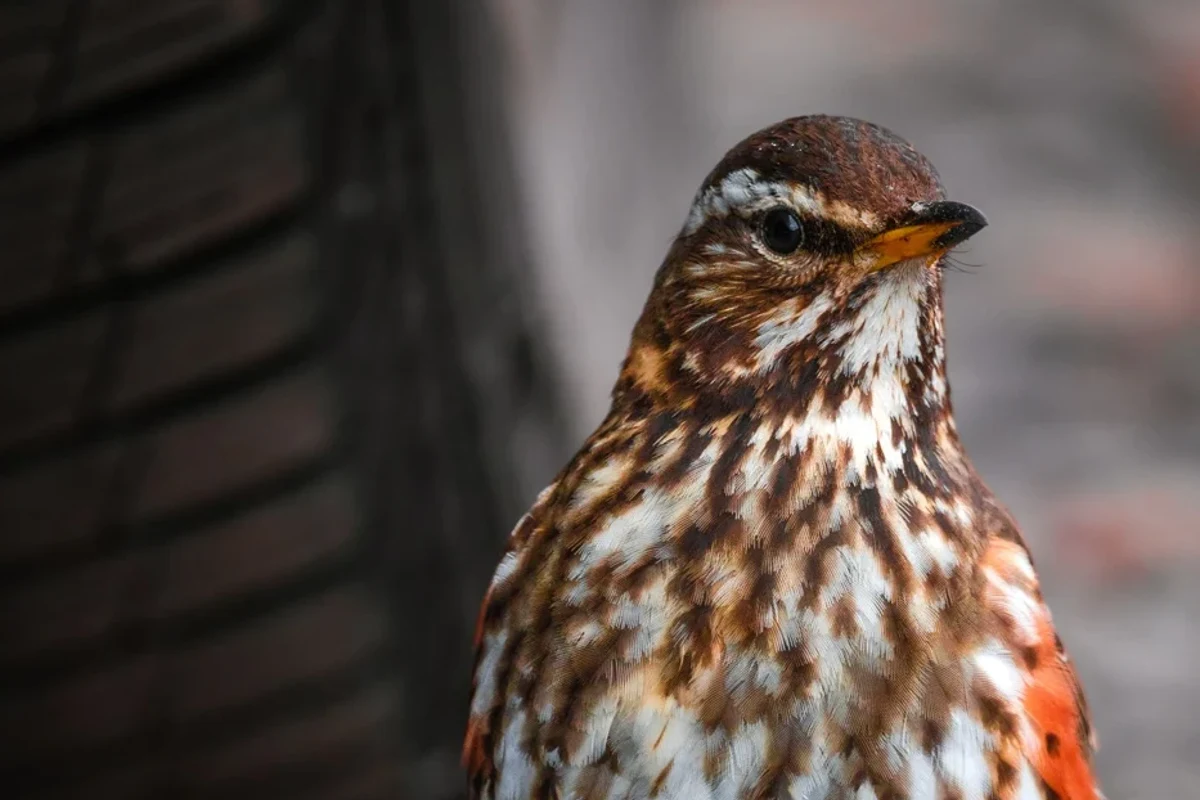
A pale eyebrow may show clearly while the red flank that gives the bird its name stays hidden.
A winter arrival in the berries
A redwing can sit among fruiting branches with its most famous feature completely concealed. The red is on the flanks and underwing, not spread across the entire wing as the name might suggest. Look first for the bold pale stripe above the eye, then the streaked breast and warm reddish flank when the bird turns.
Most UK observers encounter redwings as autumn and winter visitors. Date and location provide context, but neither replaces a view of the bird. A spotted thrush in winter still needs identifying; song thrushes, mistle thrushes and other visitors may share the same surroundings.
Watch the flock settle
Redwings can be wary. If a group arrives in a berry-bearing tree, stay where you are and let it settle. Moving towards the tree may produce a view of departing birds rather than a closer feeding observation. A window can be an excellent position if you avoid sudden movement against it.
Count birds you can see together, then record the number as a minimum if foliage conceals others. Do not add every bird that reappears on the outside of the tree. A busy branch can create an impressive total without representing that many individuals.
Notice whether birds feed immediately or wait on nearby perches. If another thrush chases them away, describe the interaction and the food source rather than treating it as a general rule about the species.
Keep a seasonal record
Write down the first date you confidently identify redwings, but call it your first sighting rather than their arrival date. They may have been present before you looked. The same distinction applies to the last spring record.
Compare several years only if your watching effort is reasonably similar. A year spent working beside a garden window will produce a different record from one with only occasional weekend visits.
Leaving fruiting plants available can give birds a natural resource, but there is no reason to approach a feeding flock for a better picture. A slightly distant photograph with the berry-laden tree included tells the story of the visit without interrupting it.
The view of a mixed flock
A berry tree can hold more than one kind of thrush. Fieldfares may be present alongside redwings, and local blackbirds may also use the fruit. Do not assign the whole group the identity of the first bird you recognise. Work across the visible birds slowly, checking head pattern and body shape on each one you count.
If a larger grey-headed thrush appears, keep a separate note until you have confirmed it. The redwing's strong pale eyebrow remains useful, while the red flank can be hidden even in a good view. A flock departing all at once may show flashes of underwing colour, but that rapid impression should support rather than replace the settled observations.
Try recording the tree before and after the visit without disturbing it: which branches still carry fruit, where birds gathered and how long the visit lasted. Those details explain what attracted the flock and provide a comparison for the following week, when a different tree may have become the focus.