Pied wagtails on paths and rooftops
A long tail and quick ground-level movement can turn an ordinary paved area into a useful watching place.
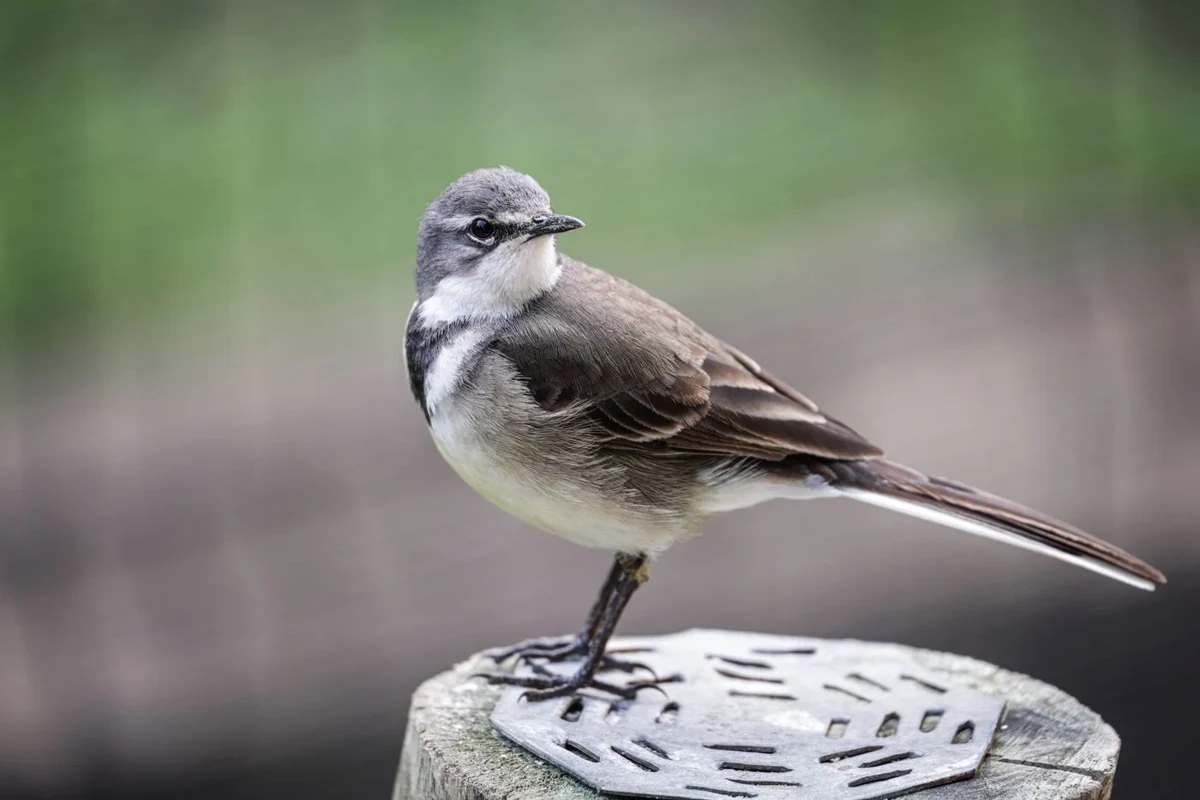
A bird on the path
A pied wagtail often appears in places where people are not expecting to watch birds: a roof, a car park, a paved courtyard or the edge of a path. Its long tail and quick movements make the silhouette useful even before the black, white and grey pattern becomes clear. The tail is frequently moved up and down, though a still moment does not rule the bird out.
Look at the whole shape. Young birds can be greyer and less strongly marked than adults. A dark patch in an overexposed photograph may hide more than it reveals, so note the live view before relying on the camera.
Follow the route from a safe position
Watch how the bird crosses an open surface. Does it pause beside a puddle, turn at a kerb or investigate the edge of vegetation? These details give context to its searching for small invertebrates. You may see a quick dash or short flight without being able to identify the prey.
Do not step into traffic or follow a bird through a working car park to keep it in view. A safe fixed position is enough. If the bird moves behind vehicles, let the observation end rather than trying to regain it at any cost.
A small sketch map can preserve the route. Mark the wet and dry areas, then draw the bird's movement. On another day, compare the same place after the weather changes. The result is an observation exercise, not evidence that one bird owns that exact path.
Above the ground
Pied wagtails also use roofs and can gather in communal roosts. A group assembling near buildings late in the day may be preparing to settle. Watch from outside the gathering and avoid illuminating or approaching the roost.
If you are recording birds for a survey, check how it treats flyovers, roosting birds and repeated visits. For personal notes, keep these categories separate. A wagtail crossing overhead and one feeding on the patio tell you different things about the site.
The setting need not be picturesque. A record of a bird making use of a small damp edge beside paving can be just as informative as a sighting in a nature reserve.