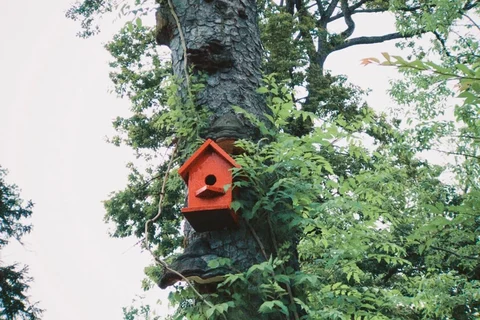
Nest boxes
Finding a sheltered position for a nest box
A compass direction is only part of the decision. Follow the shade, rain and everyday traffic around the proposed site.
Read the noteNotice the pause between movements, the round outline and the way a robin claims a small patch of garden.
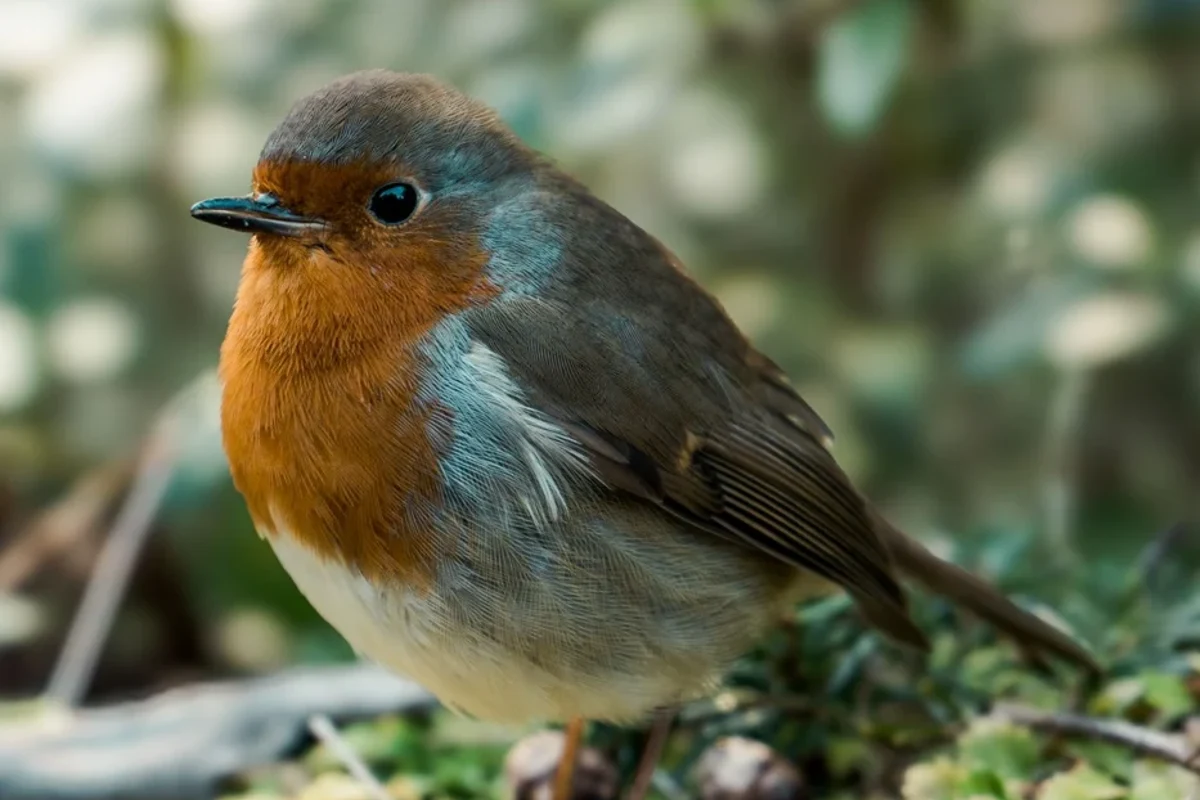
A familiar visitor rewards a second look. Watch its shape, its movements and the small patch of garden it makes its own.
Read the note →A compass direction is only part of the decision. Follow the shade, rain and everyday traffic around the proposed site.
Read the note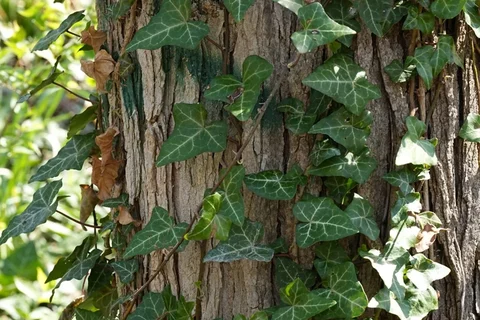
Mature ivy has a different role from a few young trailing shoots.
Read the note
A border can remain useful after the flowers have finished.
Read the note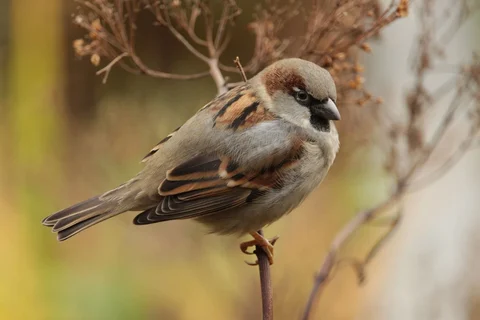
The sound inside a hedge can tell you where a sparrow group spends its time, even when few birds are visible.
Read the note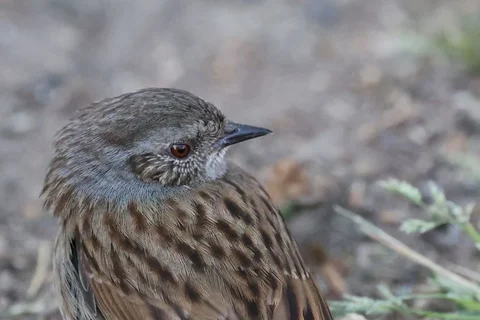
Look low, look slowly, and pay attention to the narrow bill on this easily overlooked garden bird.
Read the note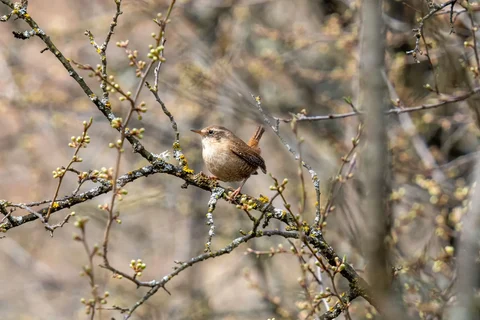
A short upright tail, a burst of movement and an unexpectedly loud voice are often all you get.
Read the note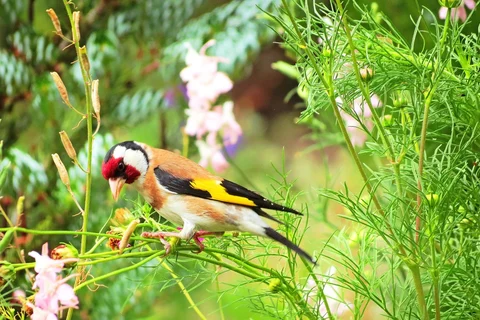
A yellow wing bar can identify a bird whose face is hidden, or whose juvenile face has no red yet.
Read the note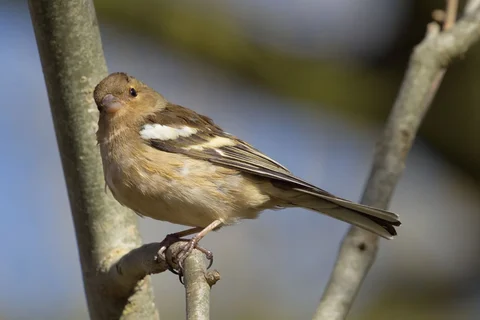
The wing pattern is often a better starting point than the colour of the breast.
Read the note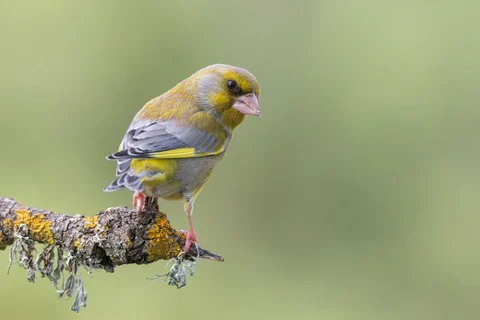
Look for the heavy bill and yellow wing edge, including on birds that barely look green.
Read the noteThere is plenty to notice without getting closer.
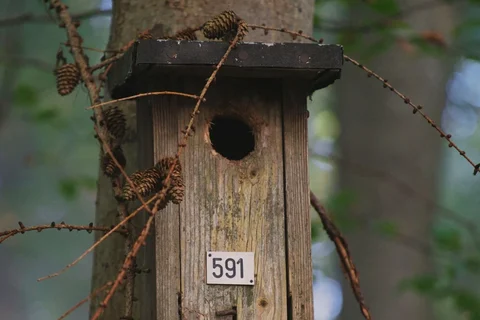
Start with the birds and the place, then look at the box. A decorative roof is a long way down the list.
Read the note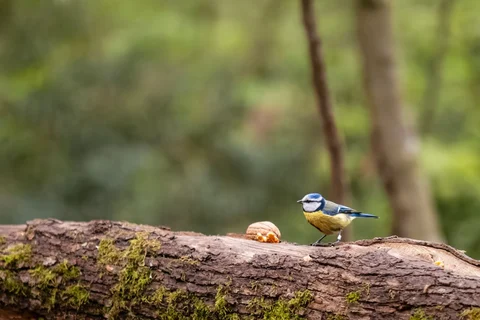
The most revealing view may be a bird searching the underside of a leaf rather than facing the camera.
Read the noteMature ivy has a different role from a few young trailing shoots.
Read the note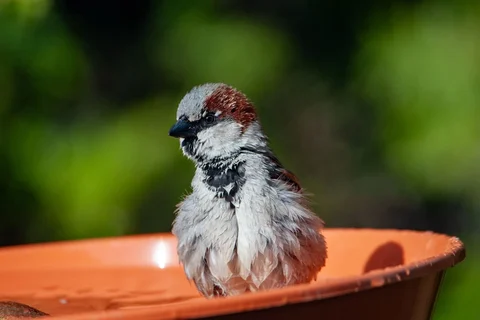
Fresh water and a clean vessel are separate tasks. Replacing the contents does not remove the film on the surface.
Read the note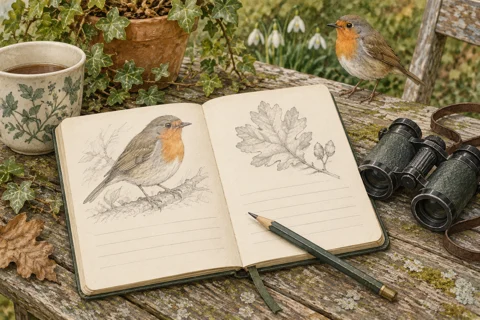
A few precise details written immediately can be more useful than a long species list reconstructed at night.
Read the note